Cross Stitch Alphabet Pattern PDF: A Business Review
As a professional embroidery designer specializing in commercial branding and small business merchandise, I approach every new asset with a critical eye. When evaluating the Cross Stitch Alphabet Pattern PDF, my focus shifts immediately from hobbyist enjoyment to production viability. For small business owners, Etsy sellers, and apparel decorators, typography is the backbone of brand identity. This review analyzes how this specific cross stitch font chart performs when translated into real-world applications like embroidered patches, staff uniforms, and branded tote bags.
Visual Personality and Brand Alignment
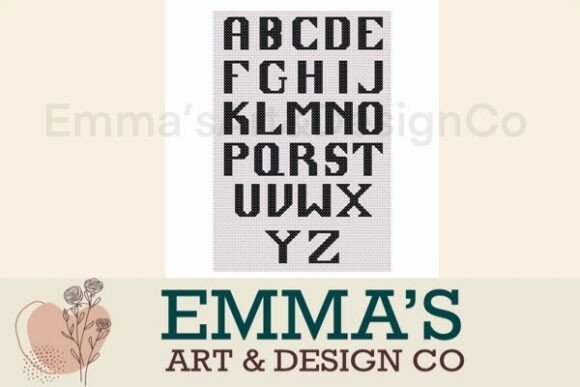
My first impression of the Cross Stitch Alphabet Pattern PDF is that it strikes a balance between rustic charm and legible clarity. In the world of brand identity, readability is paramount. While many decorative fonts sacrifice function for form, this easy-to-read chart suggests a structure that will hold up well in digitization. The aesthetic feels inherently handmade and authentic, making it an excellent candidate for businesses that want to project warmth and craftsmanship.
This visual personality is particularly effective for specific niches. If you are running a local bakery, a florist shop, a pet brand, or a creative studio, this typeface communicates a bespoke quality that standard block letters cannot achieve. It signals to the customer that the product is curated and personal. However, for high-tech firms or luxury corporate entities requiring sleek minimalism, this style might feel too casual. Understanding where this design fits within your market positioning is the first step in successful commercial embroidery.
Performance in Real Business Applications
The true test of any machine embroidery design derived from cross stitch graphics is its versatility across different substrates. Based on the chart's description as beginner-friendly and easy-to-read, I anticipate strong performance in several key areas of small business merch.
- Apron Embroidery: This is perhaps the strongest use case. Aprons provide a stable, flat surface ideal for cross stitch replication. Adding staff names or the business logo using this alphabet creates a cohesive, uniform look that elevates the perceived value of the service.
- Tote Bag Design: Canvas totes are a staple for boutiques and markets. The bold nature typically associated with cross stitch alphabets ensures high visibility on natural cotton fabrics. Personalizing these bags with customer names or witty slogans using this pattern can turn a simple giveaway into a cherished item.
- Embroidered Patches: Creating custom patches for hats or jackets requires distinct lettering. Because this Cross Stitch Alphabet Pattern PDF is designed for clarity, it should digitize cleanly into patch formats without losing definition at smaller scales.
- Product Packaging Accents: For handmade product sellers, stitching initials onto muslin drawstring bags or fabric tags adds a premium unboxing experience. The friendly tone of this font enhances the connection between maker and buyer.
Critical Considerations for Production
While the Cross Stitch Alphabet Pattern PDF offers immense potential, there are technical limitations that every embroiderer must respect. Cross stitch is inherently grid-based, which translates to higher stitch density than standard satin or fill stitches. This characteristic demands careful planning when applying the design to various goods.
Fabric Texture and Stabilizer Selection
You must consider fabric texture before hooping. On loose-weave linens or Aida cloth, this alphabet will shine. However, on stretchy knits or performance wear often used for staff polo shirts, the density could cause puckering or distortion. Using the correct stabilizer is non-negotiable here. I recommend a heavy-duty cutaway stabilizer for garments and a tear-away for stable items like canvas bags. Always test on a scrap piece of the actual production fabric first; what works on cotton may fail on polyester blends.
Sizing and Legibility Constraints
Although described as easy-to-read, cross stitch fonts have a minimum viable size. When adapting this for cap embroidery or sleeve details, you cannot simply shrink the design indefinitely. If the individual "pixels" of the cross stitch become smaller than the needle plate hole or merge due to thread thickness, the text becomes illegible. For caps specifically, ensure the curve of the brim does not distort the grid alignment. I advise against using this specific alphabet for tiny legal text or intricate sub-branding; reserve it for primary names, initials, and short taglines where the bold grid structure remains intact.
Impact on Customer Trust and Product Value
In the competitive landscape of Etsy sellers and local makers, presentation dictates price. Utilizing a consistent typographic system like the Cross Stitch Alphabet Pattern PDF across all touchpoints builds visual consistency. When a customer sees the same distinctive lettering on your website banner, your packaging, and your physical merchandise, it reinforces professionalism.
Furthermore, the "handmade" signal sent by this font style justifies higher price points. It implies labor and care. Unlike generic clip art, a thoughtfully applied cross stitch font suggests that the business owner has invested time in curating their design assets. This attention to detail fosters trust. Customers are more likely to return to a brand that presents itself with intentionality. Whether you are selling custom apparel or digital embroidery files, the coherence of your typography directly influences buyer engagement and perceived value.
Professional Designer Notes for Implementation
Before you load this embroidery file into your machine for a client order or production run, follow this professional checklist to ensure success:
- Verify Commercial Licensing: The product description highlights personalization and beginner use but does not explicitly state commercial terms. As a business, you must confirm you have the right to sell finished products made with this pattern. Never assume usage rights; check the license agreement included with the PDF.
- Create a Printable Mockup: Before stitching, create a printable mockup at actual size. Print the alphabet chart and place it against the intended garment or item. This helps visualize spacing and scale without wasting thread.
- Test in Black and White: Run a sample stitch-out in a single dark color on white fabric. This reveals the true structure of the letterforms without the distraction of variegated thread colors. Check for gaps, overlaps, or registration issues.
- Evaluate Spacing and Kerning: Cross stitch fonts can sometimes appear disjointed if the spacing is too wide. Review the kerning in your digitizing software. You may need to adjust the space between characters to ensure the word reads as a unified unit rather than separate blocks.
- Confirm Hoop Size Compatibility: Ensure your longest intended phrase fits comfortably within your available hoop size with adequate margin for stabilization. Re-hooping mid-word introduces alignment risks that can ruin a branded item.
- Check Contrast Ratios: Test thread color contrast against your darkest and lightest merchandise. Cross stitch relies on clear definition; low-contrast combinations (like navy thread on black fabric) will render the detailed grid invisible.
Final Verdict for Small Business Use
The Cross Stitch Alphabet Pattern PDF represents a valuable asset for businesses aiming to cultivate a warm, artisanal brand image. Its strength lies in its readability and inherent handcrafted appeal, making it ideal for aprons, totes, and boutique branding. However, its grid-based nature requires respect for technical constraints regarding density and sizing. By approaching this Cross Stitch Patterns resource with professional diligence—testing thoroughly, verifying licenses, and respecting fabric limitations—you can transform a simple digital graphic into a powerful tool for business growth and customer connection. Always treat this PDF not just as a pattern, but as a foundational element of your commercial design strategy.